

What is Ignite Quantum Radio-frequency Assisted Lipolysis (RAFL)?
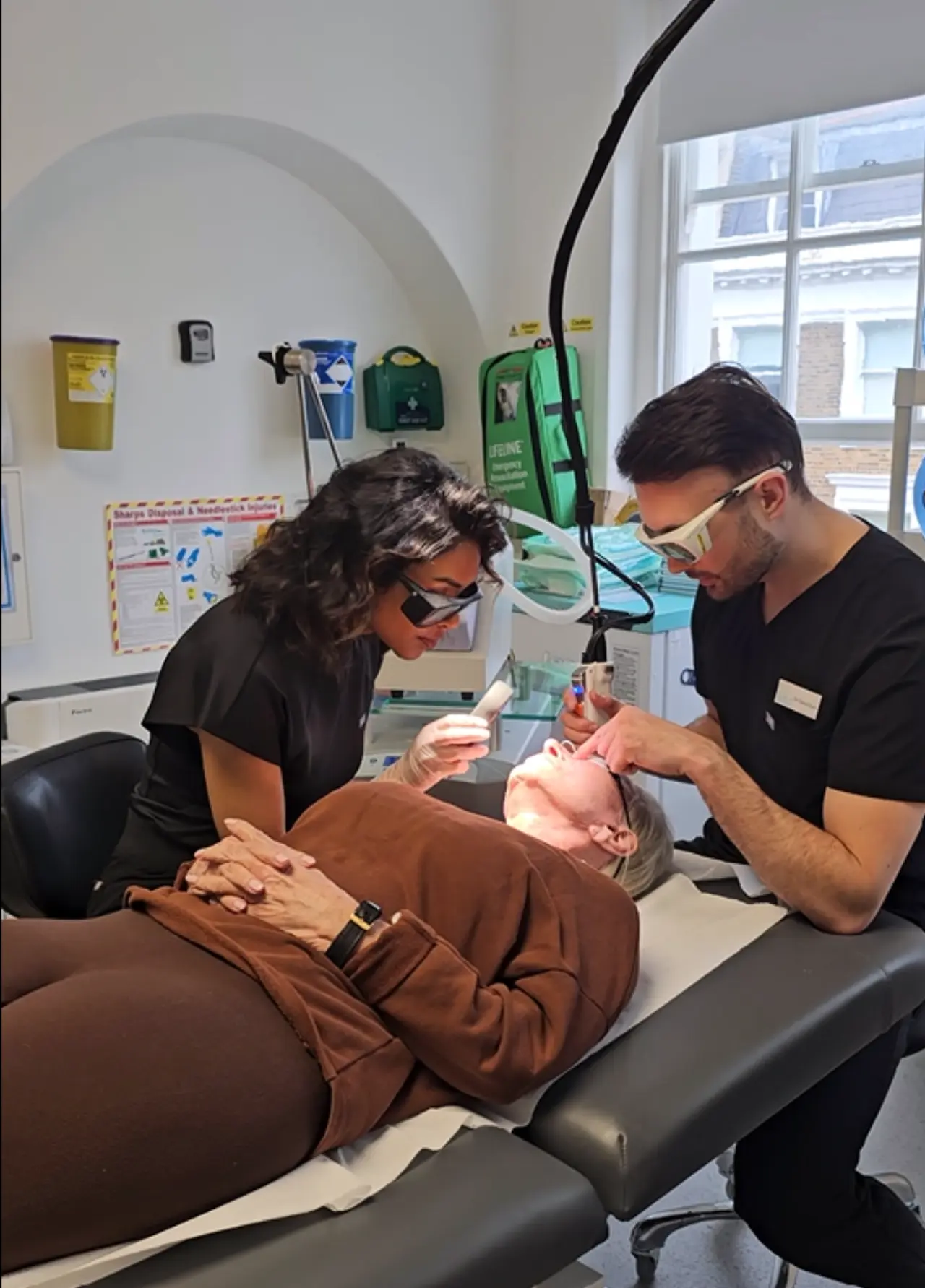
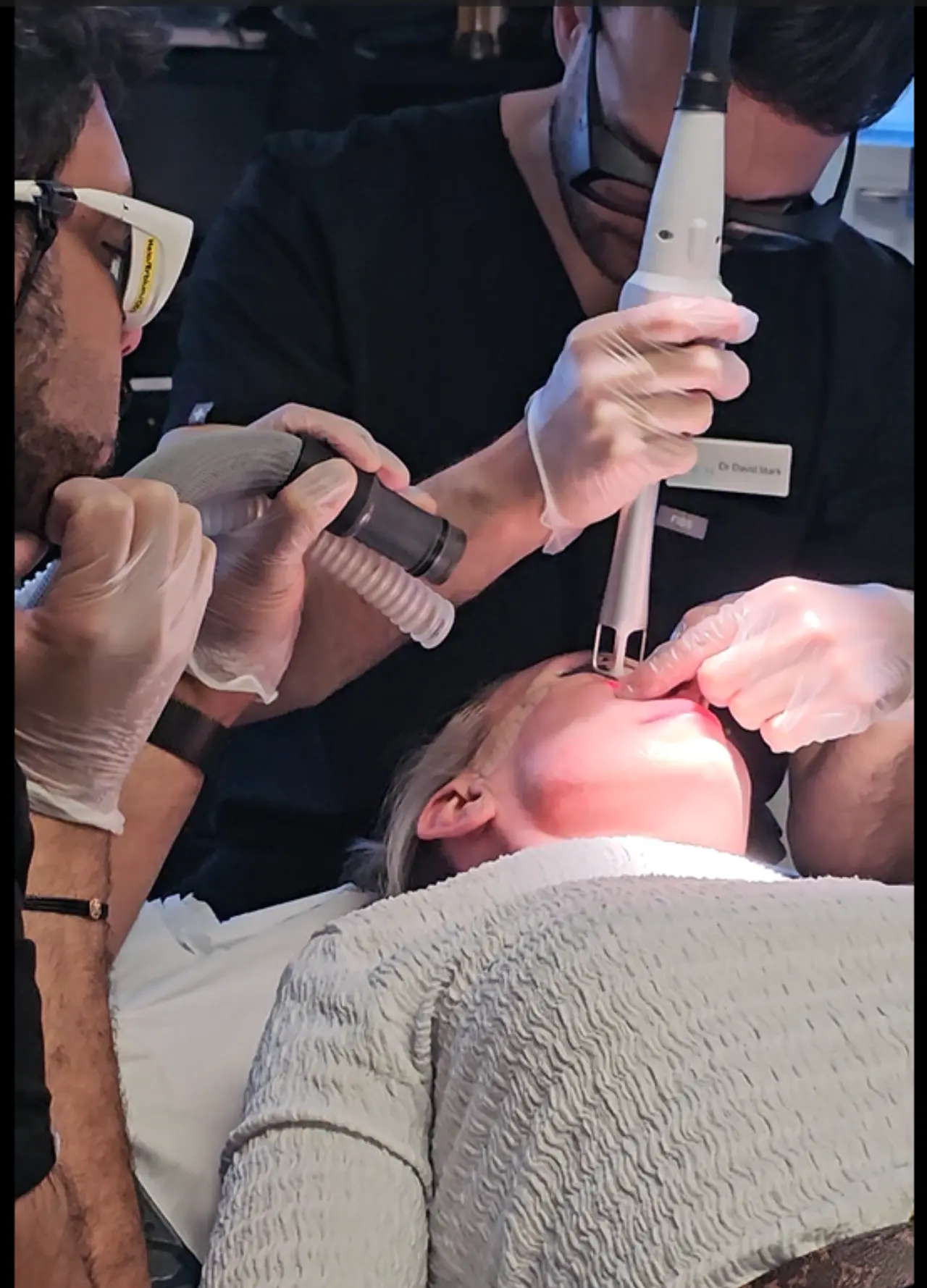
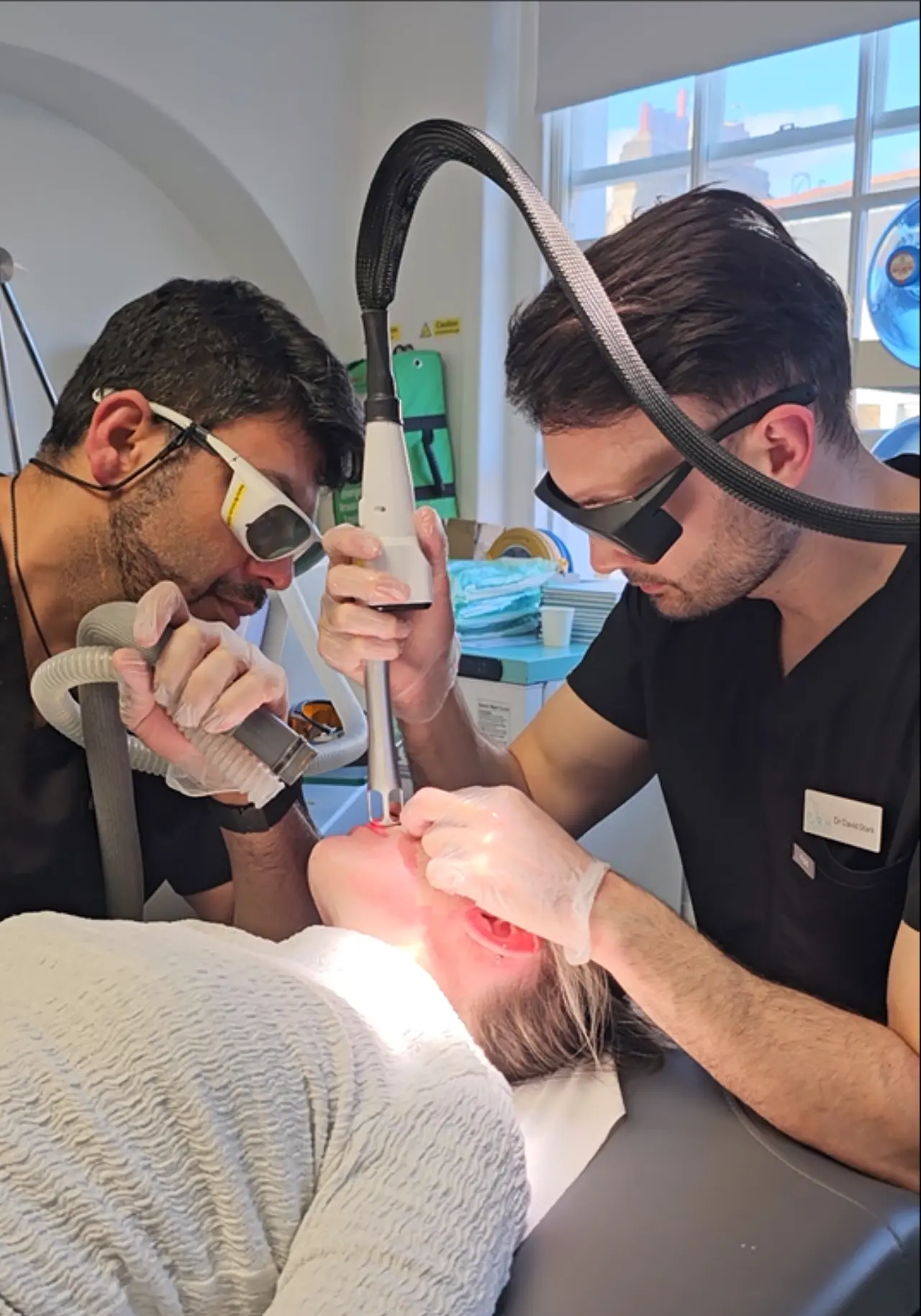
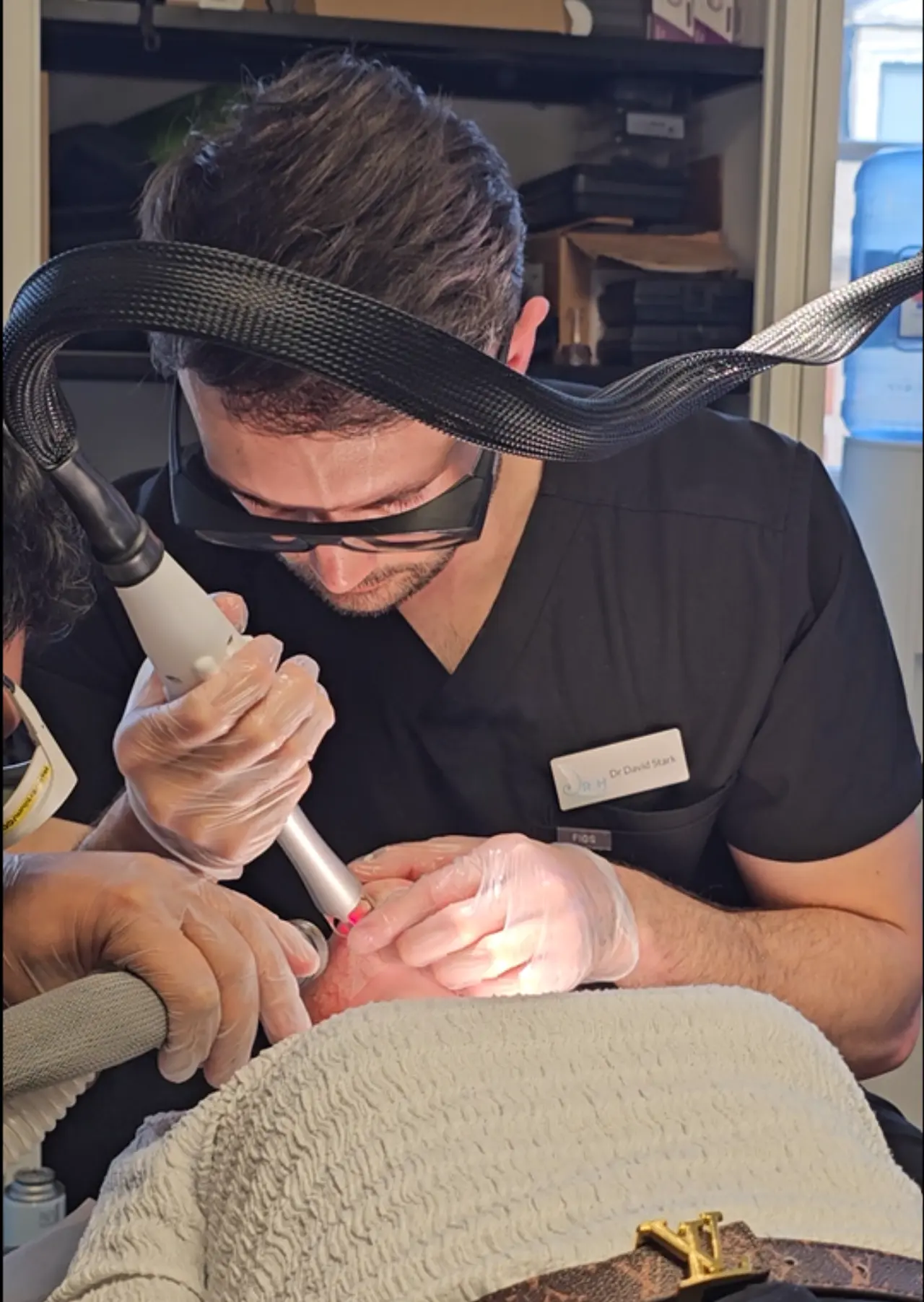
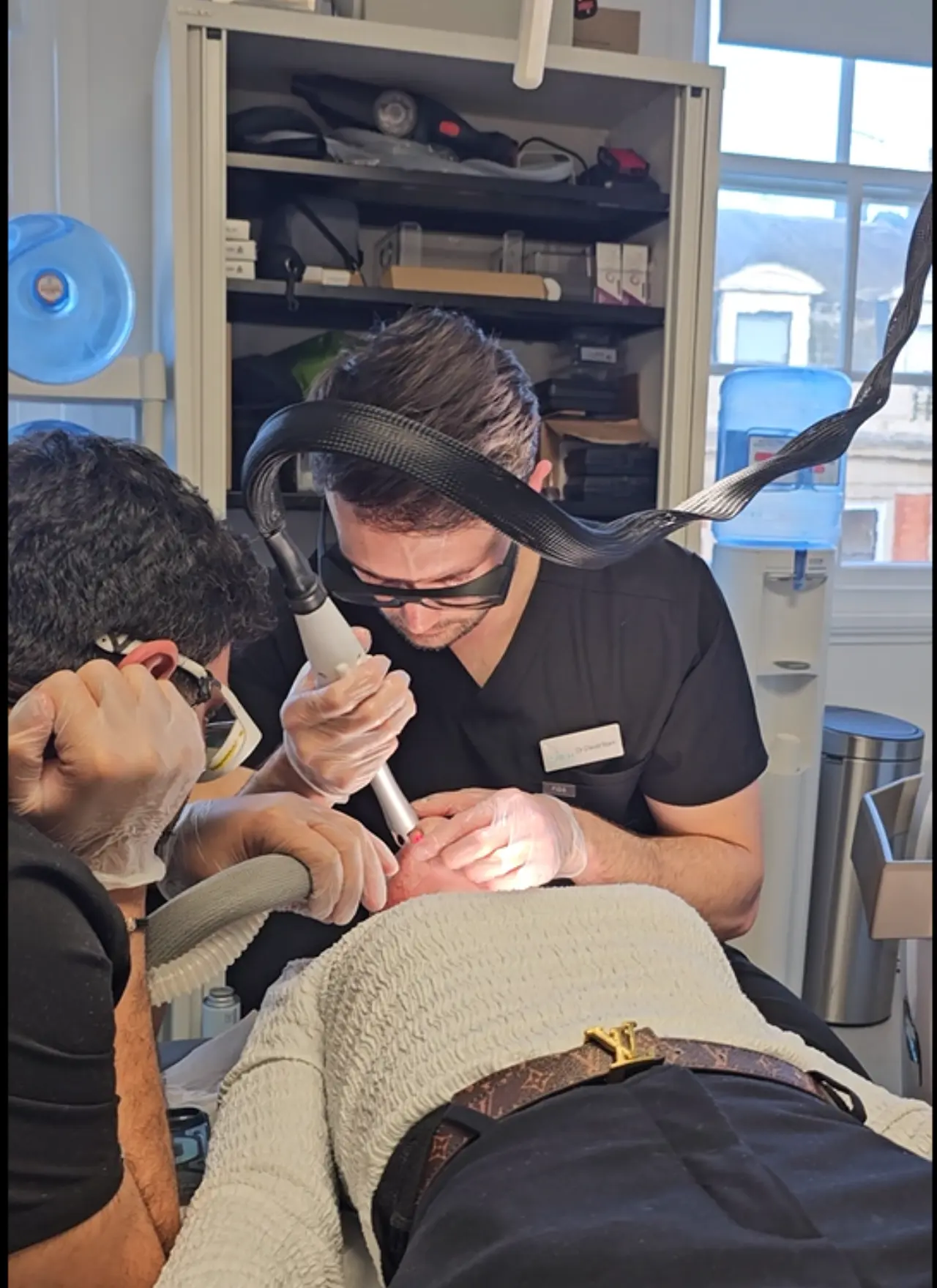
Ignite Quantum radiofrequency assisted lipolysis (RFAL) is an advanced body contouring and skin tightening procedure that uses controlled radiofrequency (RF) energy to liquefy fat, contract tissue, and stimulate collagen production.
Unlike traditional liposuction, RFAL is not purely mechanical fat removal. It combines thermal energy with liposuction techniques, allowing for improved precision, enhanced contouring, and significant soft tissue tightening.
The “quantum” aspect refers to the real-time energy modulation and temperature control, allowing consistent delivery of energy while protecting surrounding tissues.
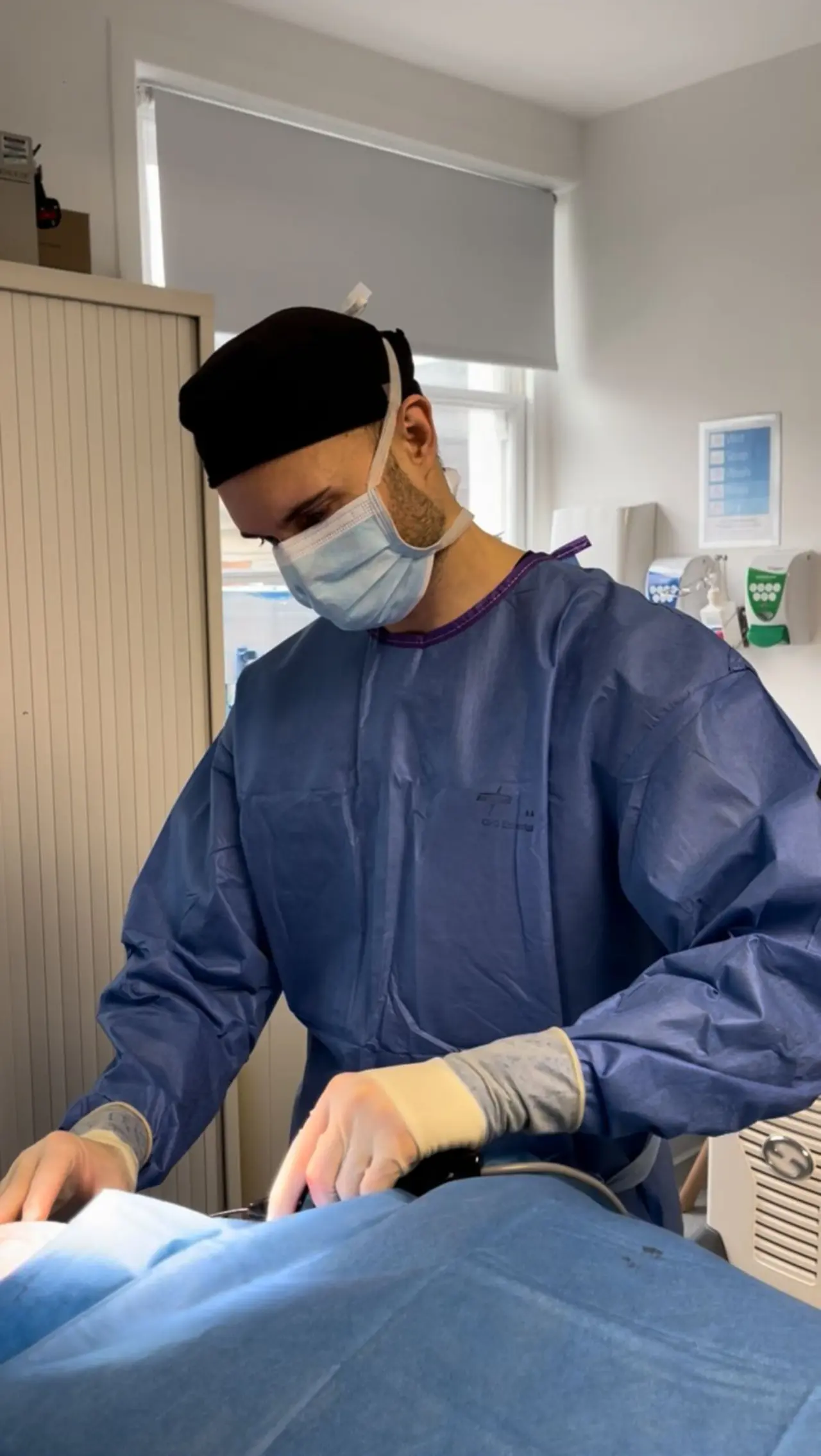
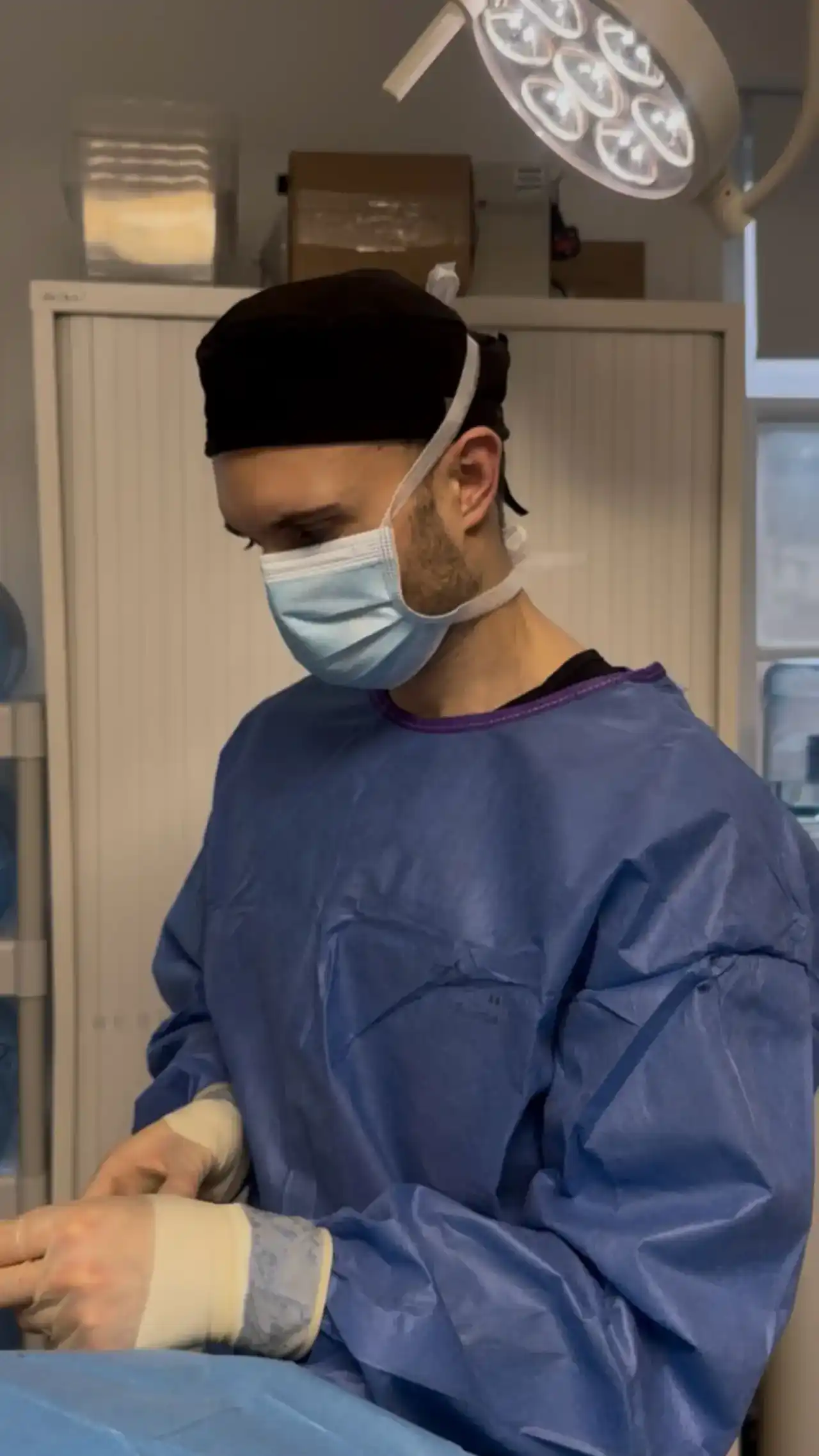
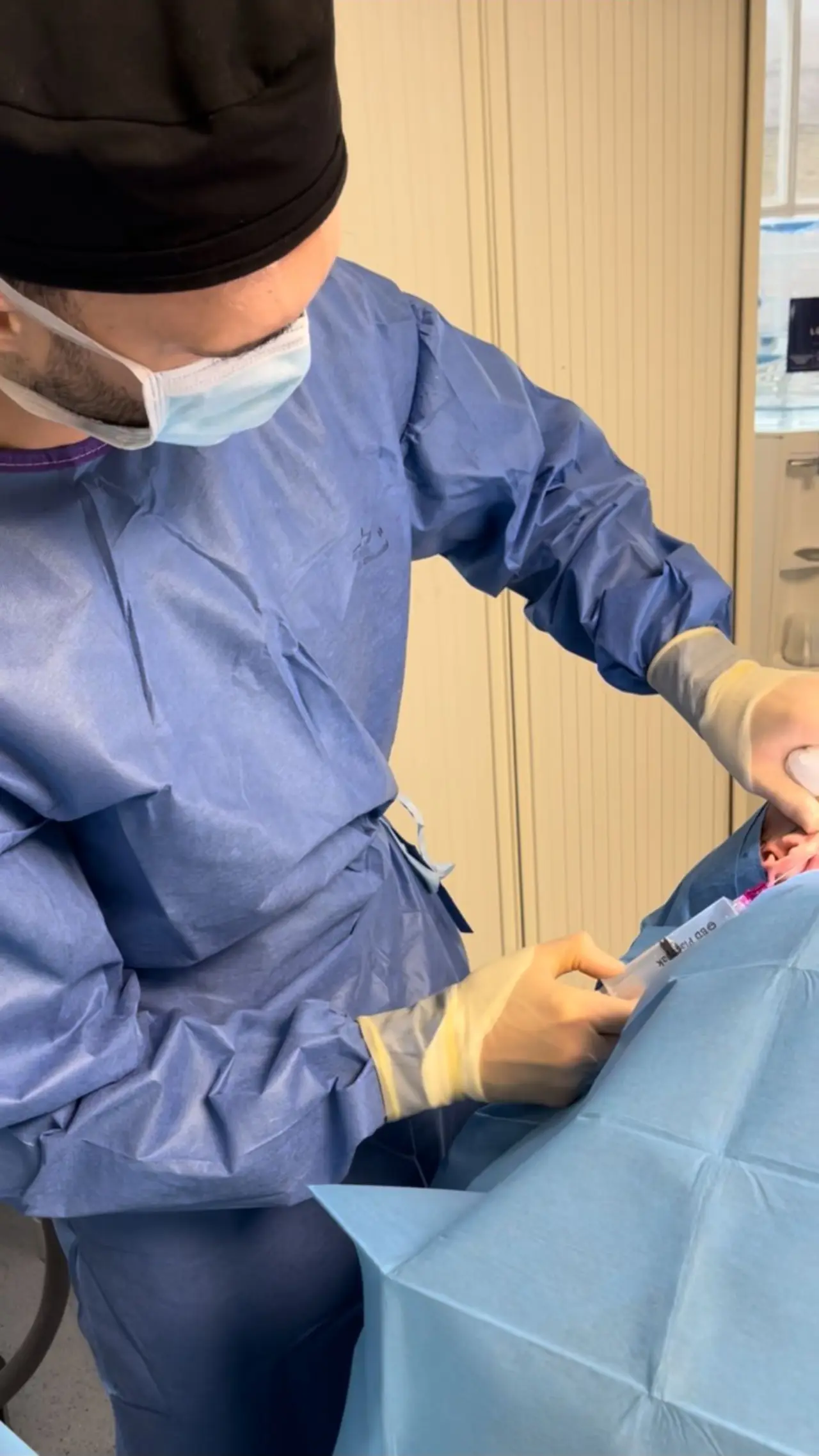
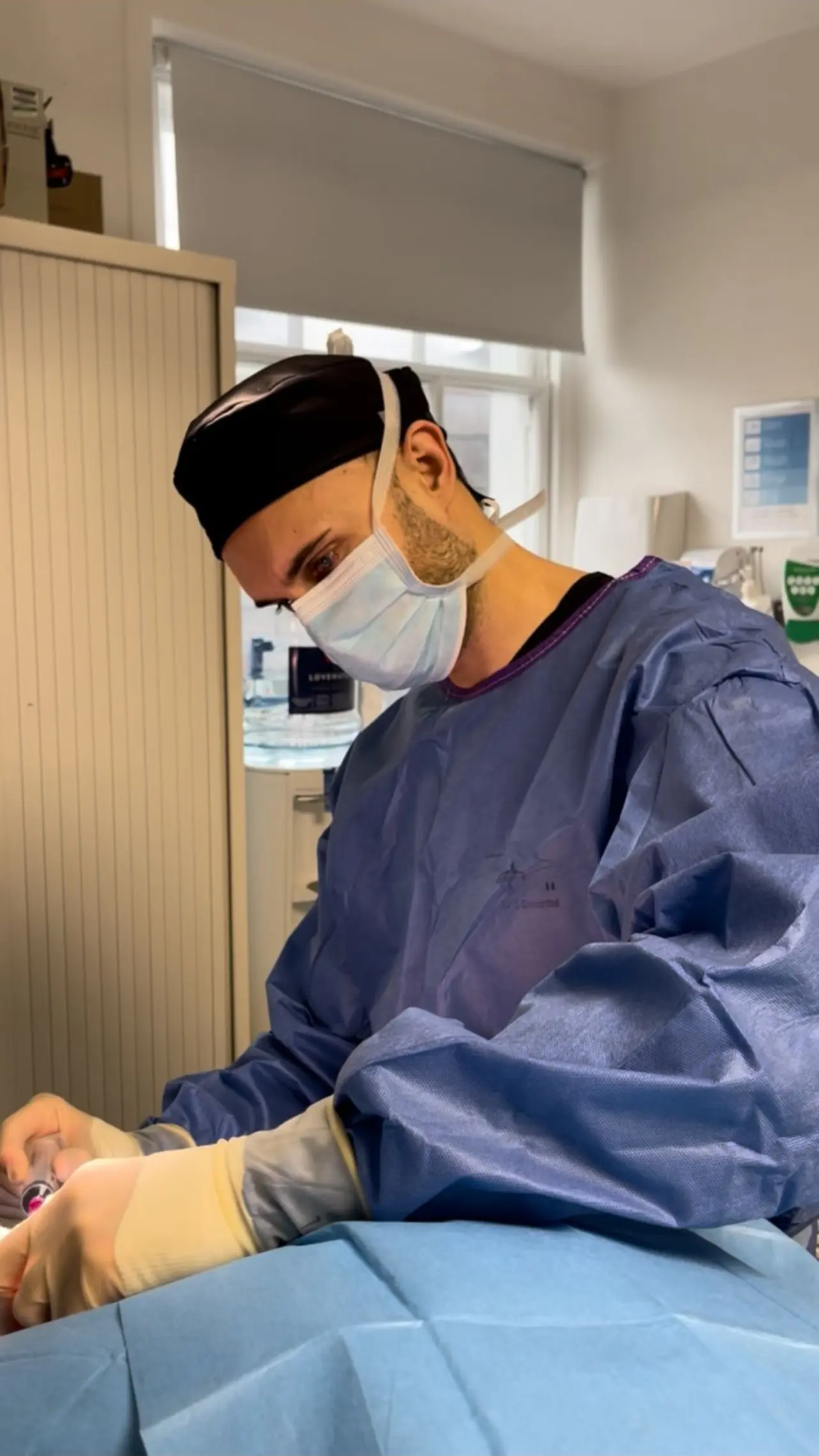
What is Ignite RFAL used to treat?
Ignite RF-assisted lipolysis is used for both fat reduction and skin tightening, particularly in areas where traditional liposuction alone may not adequately address laxity.
Dr Stark typically uses Ignite RFAL for the following:
- Lower face and jawline definition and contouring
- Targeted fat reduction with skin tightening of the neck and submental (under-chin) area
- Treatment of mild to moderate skin laxity
How does Ignite RFAL work?
RFAL uses a bipolar radiofrequency system with:
- Ignite Quantum utilises a bipolar radiofrequency configuration integrated within a single subdermal probe.
- Energy is delivered between closely positioned electrodes on the probe, enabling precise, localised tissue heating and uniform energy distribution.
The effects occur in three key ways:
1. Fat liquefaction
Radiofrequency energy heats adipose tissue, causing fat cells to break down and become easier to remove.
2. Tissue contraction
Heat causes immediate collagen contraction, tightening the treated area during the procedure.
3. Collagen stimulation
Controlled thermal injury stimulates neocollagenesis, leading to progressive tightening over 3–6 months.
What makes Ignite Quantum RFAL different?
The Ignite system offers:
- Real-time temperature or energy monitoring → improved safety
- Consistent energy delivery → predictable results
- Deeper and more uniform heating → better contraction
- Reduced risk of overheating or burns
This allows for more aggressive tightening with greater control, particularly in delicate areas such as the neck and jawline.
Procedure comfort
Most procedures are performed under:
- Tumescent local anaesthesia
- With or without oral sedation
Patients typically report:
- Mild discomfort (2–3/10) during the infiltration of local anaesthetic.
- A sensation of heat and pressure during treatment, but no pain.
Post-procedure discomfort is usually manageable and settles within a few days.
What are the main advantages of RFAL vs traditional liposuction?
Enhanced skin tightening
Traditional liposuction removes fat but does not address loose skin. RFAL actively tightens the overlying tissue, reducing the need for surgical excision in selected cases.
Improved contour precision
Liquefaction of fat allows for smoother, more controlled removal, reducing contour irregularities.
Reduced need for excisional surgery
In patients with mild to moderate laxity, RFAL may delay or avoid surgical procedures such as a neck lift or face lift.
RFAL is particularly effective in lower face, sub-mentum (under-chin) and neck where skin quality is often a limiting factor.
Downtime and recovery
Recovery depends on the treatment area and extent of procedure.
- Mild to moderate treatments: Return to work in 3–5 days
- More extensive contouring: 7–10 days before normal activities
Swelling, firmness, and altered skin sensation may persist for several weeks as tissue remodelling occurs.
Visible tightening continues to improve over 3–6 months.
Side effects and risks
RFAL has a favourable safety profile when performed correctly, but potential risks include:
- Swelling and bruising
- Pain / discomfort
- Temporary numbness or altered sensation
- Temporary muscle weakness (particularly in lower face/neck treatments)
- Burns or thermal injury (rare with appropriate technique)
- Infection (rare)
- Abnormal scarring (including hypertrophic or keloid scarring)
- Hypopigmentation or hyperpigmentation
- Asymmetry or contour irregularities
- Seroma or fluid collection
- Haematoma (rare)
- Prolonged swelling or fibrosis / firmness
- Delayed healing
- Skin laxity (if contraction is insufficient)
- Need for further or revision procedures
- Unsatisfactory aesthetic outcome
The use of real-time temperature or energy monitoring significantly reduces the risk of complications by allowing continuous assessment of tissue response throughout the procedure. This ensures that energy delivery remains within safe and effective thresholds, minimising the risk of excessive thermal injury to surrounding tissues.
Temporary Muscle Weakness (Neuropraxia): Prevention & Management Protocol
What is neuropraxia?
Neuropraxia is a temporary interruption in nerve conduction without structural damage to the nerve. It typically occurs due to thermal or mechanical irritation of a nerve during treatment.
- The nerve remains anatomically intact
- There is no permanent injury
- Function gradually returns as the nerve recovers
In aesthetic procedures, this may present as temporary muscle weakness, most commonly affecting areas of the lower face or neck.
How is it prevented?
Careful technique and anatomical awareness significantly reduce the risk:
- Energy control: - Use of real-time temperature or energy monitoring to avoid excessive thermal spread
- Layer precision: - Treatment is maintained in the correct subdermal plane, avoiding deeper structures where motor nerves travel
- Anatomical mapping: - Identification of high-risk zones (facial nerve branches, including the marginal mandibular nerve)
- Cannula control: - Smooth, controlled movements to minimise mechanical trauma
- Conservative technique in high risk areas:
- Pre-procedural marking: Clear identification of “no-energy” zones overlying key nerve pathways (e.g. marginal mandibular region)
- Layer control: Strict maintenance of the correct subdermal plane, avoiding deeper layers where motor nerves are more vulnerable
- Cannula orientation: Keeping the cannula directed away from known nerve pathways during energy delivery
- Reduced energy settings: Lower power and shorter energy delivery in anatomically sensitive areas such as the jawline and upper neck
- Pulsed or intermittent energy delivery: Avoiding prolonged energy application in a single location to reduce heat build-up
- Increased volume of tumescent infiltration for hydrodissection and to create a safer thermal environment
What symptoms might occur?
- Mild asymmetry of facial movement
- Weakness in:
- Lower lip depression (smile asymmetry)
- Platysmal activity in the neck
- Typically no pain or sensory loss
How is it managed?
In most cases, neuropraxia is self-limiting and requires no intervention. Management focuses on reassurance and monitoring:
- Immediate reassurance: Explain that this is temporary and expected to recover fully
- Observation: Regular follow-up to assess recovery
- Adjuncts (if needed):
- Physiotherapy or gentle facial exercises
- In select cases, balancing treatments (e.g. small-dose botulinum toxin to the contralateral side) may be considered
Recovery timeline
- Onset: Usually within a few days post-procedure
- Early recovery: Noticeable improvement within 2–4 weeks
- Full recovery: Typically 4–12 weeks
In the vast majority of cases, complete resolution occurs without permanent effects.
Clinical reassurance
Temporary muscle weakness following energy-based treatments is uncommon and transient. With appropriate technique and careful patient selection, the risk is low, and outcomes remain highly predictable.
Why not just use traditional liposuction?
Traditional liposuction remains highly effective for fat removal, particularly in patients with good skin elasticity.
However:
- It does not tighten skin
- It may worsen laxity in some patients as subtraction of fat without removal of skin leaves excess redundant ‘hanging’ skin
RFAL is therefore preferred in cases where:
- Skin quality is borderline
- Subtle tightening is required
- Surgical excision is not desired
Why choose Ignite RFAL over other technologies?
While multiple RF-assisted devices exist, Ignite Quantum offers:
- More precise energy control
- Better temperature or energy regulation
- More consistent tissue contraction
This makes it particularly suitable for high-definition contouring and delicate anatomical areas.
Treatment at a Glance
For more information, please see the FAQs section.
Procedure Time
In clinic time: 1.5 - 3 hours
Procedure time: 60 - 120 minutes depending on area
Number of Treatments
Typically a single treatment
Downtime
7-14 days depending on extent
Visible Results
Initial: 2 - 4 weeks
Final: 3 - 6 months

Frequently Asked Questions
Immediate Effects (Day 0–7)
- During treatment, radiofrequency energy heats the deeper layers of the skin and soft tissue
- This causes instant contraction of existing collagen fibres, which can produce a subtle early tightening effect
- Mild swelling may temporarily mask results in the first few days
Early Improvement (2–6 weeks)
- As swelling settles, the treated area begins to look:
- Smoother
- More contoured
- Slightly firmer
- This is often when patients first appreciate visible changes
Progressive Tightening (6 weeks – 3 months)
- The body begins active collagen remodelling
- Fibroblasts are stimulated to produce new collagen and elastin
- Skin quality improves with:
- Increased firmness
- Better elasticity
- Reduction in mild skin laxity
Final Results (3–6 months and beyond)
- Maximum tightening typically occurs over 3 to 6 months
- Continued improvement may be seen up to 9–12 months in some patients
- Results include:
- Noticeably tighter skin
- Improved definition and contour
- Long-term structural support from new collagen
For patients with mild to moderate wrinkles and uneven skin tone/texture, non-invasive options such as medical-grade skincare, light-based therapies, injectables, or gentle resurfacing treatments with cold ablation laser can help refine texture and enhance overall radiance. These approaches work synergistically with radiofrequency by improving the superficial layers of the skin while collagen remodelling occurs at deeper levels.
For moderate to severe wrinkles and elastosis, more advanced resurfacing may be recommended. Treatments such as ablative laser resurfacing with CO2 laser resurfacing can significantly improve deeper lines, sun damage, and skin laxity by removing damaged outer layers and stimulating robust collagen renewal.
A staged or combination approach is often ideal—addressing fat, skin laxity, and surface quality separately—to achieve the most balanced and natural-looking result. Your treatment plan will be tailored to your skin condition and aesthetic goals.
Because energy-based treatments (such as Quantum) are delivered above the muscle layer (platysma), they may not fully address deeper muscle-related concerns. For example, prominent platysmal bands in the neck may persist.
In these cases, a small amount of botulinum toxin injections can be used after treatment to relax the platysma muscle and improve the final aesthetic result.
This is why, although there is some immediate tightening, the most significant and natural-looking improvements occur progressively.
- Age and baseline skin quality
- Treatment area (e.g. face vs abdomen)
- Extent of skin laxity
- Individual healing and collagen response
- Lifestyle factors (smoking, nutrition, sun exposure)
RFAL (Radiofrequency-Assisted Lipolysis) – Mechanism
Subdermal RF delivery via internal cannula:The Quantum device delivers radiofrequency energy directly into the subcutaneous tissue through a specialised internal cannula, targeting both adipose tissue and the fibroseptal network
Localised energy deposition without external electrode coupling:Energy is delivered in a controlled, confined manner at the cannula tip, allowing precise and targeted heating of the treatment zone without reliance on an external return electrode
Real-time thermal and energy monitoring:Continuous feedback allows the operator to monitor tissue response and adjust energy delivery, maintaining safe and effective heat levels while minimising the risk of overheating
Selective tissue effects:The applied energy results in:
- Adipocyte disruption (lipolysis)
- Contraction of the fibroseptal network
- Collagen denaturation followed by remodelling and skin tightening
Mechanical advantage:Direct subdermal energy delivery + temperature or energy control = predictable fat reduction + true 3D tissue contraction
RFAL vs Endolift
- Endolift mechanism:Uses a laser fibre (typically 1470 nm) → photothermal effect → heats water/fat → mild lipolysis + collagen stimulation
- Limitation:Energy dispersion depends on fibre movement and tissue chromophores → less uniform heating
Why RFAL is mechanically stronger:
- Closed-loop RF system vs freehand laser fibre
- More consistent volumetric heating
- Greater fibroseptal contraction
RFAL vs Ultherapy
- Ultherapy mechanism:Microfocused ultrasound creates discrete thermal coagulation points at SMAS/deep dermis
- Limitation:Non-continuous energy deposition → relies on biological healing between points
Why RFAL is mechanically stronger:
- RFAL produces bulk tissue heating, not point-based
- Direct fat + septal targeting vs deep focal points only
- Immediate contraction vs delayed collagen response
RFAL vs Sofwave
- Sofwave mechanism:Synchronous ultrasound beams heat mid-dermis (~1.5 mm)
- Limitation:Limited penetration → no fat effect, minimal septal contraction
Why RFAL is mechanically stronger:
- Works in subdermal plane (key structural layer)
- Contracts fibroseptal network, not just dermis
- Produces true contour change, not just dermal tightening
RFAL vs LipoLase
- LipoLase mechanism:Laser energy → heats fat → partial adipocyte rupture
- Limitation:No real-time thermal control → risk of under/over-treatmentLimited soft tissue contraction
Why RFAL is mechanically stronger:
- Thermal feedback loop ensures optimal contraction temperatures
- RF energy interacts with tissue impedance → more efficient heating of septae
- Produces greater skin retraction
RFAL vs High-Intensity Focused Ultrasound
- HIFU mechanism:Focused ultrasound → thermal points at specific depths
- Limitation:Energy must traverse skin → attenuation + variabilityNo direct fat emulsification
Why RFAL is mechanically stronger:
- No energy loss through skin
- Direct deposition in target tissue
- Combines lipolysis + contraction, not just tightening
RFAL vs Thermage
- Thermage mechanism:Monopolar RF passes from surface → bulk dermal heating
- Limitation:Energy dissipates as it penetrates → highest heat at surfaceLimited depth control
Why RFAL is mechanically stronger:
- RFAL delivers energy from inside outward
- Avoids epidermal heat limitations
- Achieves higher effective temperatures where contraction actually occurs (subdermal layer)
Why RFAL stands out mechanically
Across all modalities, the key differentiators are:
- Energy delivery location:RFAL = inside the tissue vs others = through skin
- Heating pattern:RFAL = continuous volumetric heating vs focal or superficial
- Target structures:RFAL = fat + fibroseptal network + dermisOthers = primarily dermis or focal points
- Control:RFAL = real-time temperature or energy monitoring → reproducible outcomes
Clinical takeaway
Non-invasive technologies are effective for early ageing and mild laxity.However, when structural change is required—particularly fat reduction with meaningful skin contraction—RFAL provides a more direct, controlled, and mechanically efficient solution.
Why Is Dr Stark The Only Choice For RFAL?
- Extensive experience in advanced body contouring and tissue handling
- Specialist understanding of energy-based devices and soft tissue response
- Tailored treatment planning based on anatomy, skin quality, and goals
- Focus on natural, precise, and safe outcomes
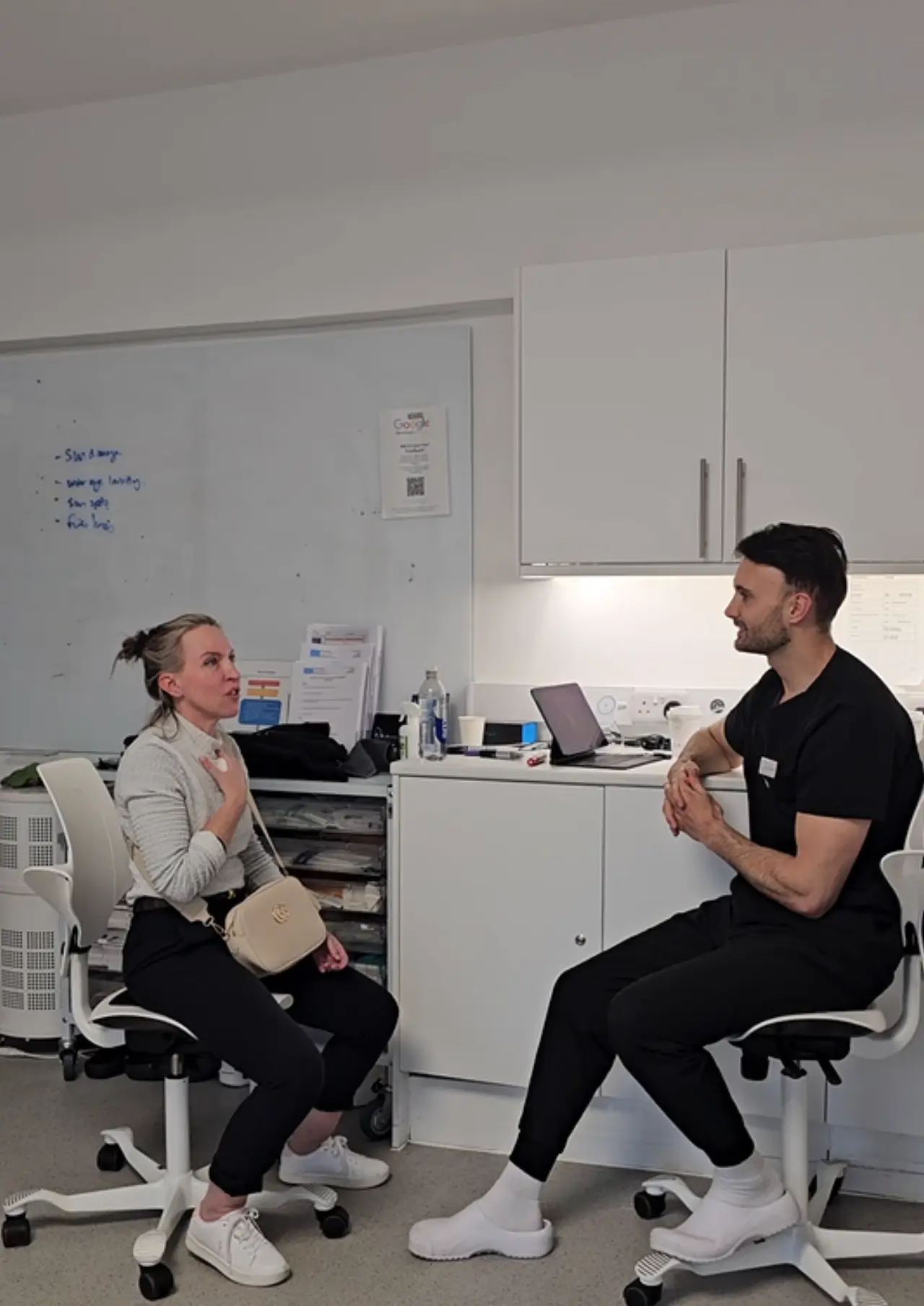
Dr Stark will assess whether RFAL is appropriate for you and may recommend alternative or combined treatments where necessary to achieve the best possible result.